
Moral Judgment in a War of Retaliation
The War of the RosesThis thread traces how Oliver Rose and Barbara Rose each justify harmful acts as deserved responses, eroding any stable distinction between victim and aggressor.
increasing Bearing strength in each event
 decreasing
Bearing strength in each eventdecreasingThe First Moral Accounts
The First Moral Accounts
Each Spouse Claims Injury
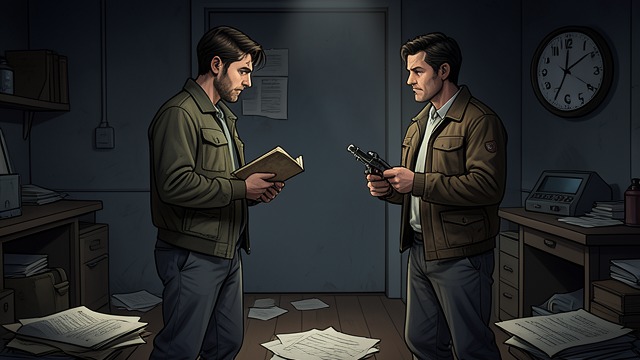
Barbara Rose describes the sacrifices she made within the marriage, while Oliver Rose emphasizes his work and support. Both begin by presenting themselves as reasonable and wronged.
Fairness Becomes Self-Defined
Their competing accounts make it difficult to agree on a common standard. Each spouse’s sense of justice depends on which parts of their shared history receive emphasis.
The Other Becomes the Offender
The Other Becomes the Offender
Injury Becomes Proof
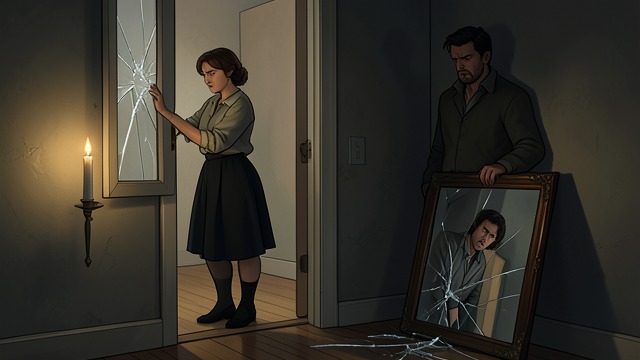
Damage to property and personal routines confirms each spouse’s view that the other is cruel. The new act is interpreted through the accumulated grievance rather than in isolation.
Responsibility Shifts Away
Neither considers retaliation a free choice detached from the other’s conduct. Each claims to be responding, allowing moral responsibility to pass back and forth without ending the cycle.
The Children as a Justification
The Children as a Justification
Protection Invoked
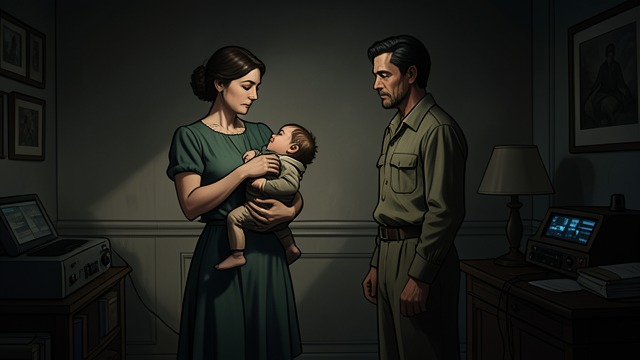
Both spouses describe decisions as necessary for the children, whether the issue is staying in the home, leaving for camp, or avoiding public scandal. The stated concern is often sincere.
Protection Becomes Strategy
The children are also discussed as legal risks and possible evidence. The difference between protecting them and using their welfare to support a position grows increasingly difficult to maintain.
The House as Moral Permission
The House as Moral Permission
Damage Called Justified
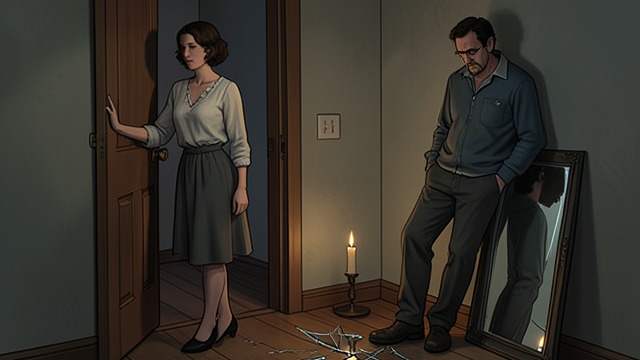
Each spouse regards attacks on belongings or household systems as a response to prior wrongdoing. The home’s shared history becomes a storehouse of grievances that licenses further harm.
Judgment Gives Way to Revenge
Their certainty that they are right makes restraint seem like surrender. Moral language continues, but it no longer limits behavior; it helps each spouse explain why the next act is deserved.
No Moral Victory

No Moral Victory
A Brief Return to Responsibility
The children’s presence calls both parents back to the responsibility they have repeatedly set aside. Oliver Rose and Barbara Rose act together for an instant, but the change comes too late.
The Ending Refuses a Verdict
Their deaths do not establish which spouse was right about the marriage or the property. The surviving children face the wreckage of a conflict in which each side’s certainty helped make catastrophe possible.
During the initial divorce conversations
After the first retaliatory acts
During legal advice about remaining in the home
During the most destructive phase of the conflict
At the collapse and its immediate aftermath
